Source Yellow Trimedlure for Textile, Paper, and Leather
Find 30 verified yellow trimedlure products for textile, paper, and leather applications. Compare ISO9001-certified suppliers offering free samples, 99% purity standards, and fast 3-5 day delivery from China. Explore diverse options including liquid and powder forms with various packaging sizes to meet your specific sourcing needs efficiently.
Key considerations
Products List


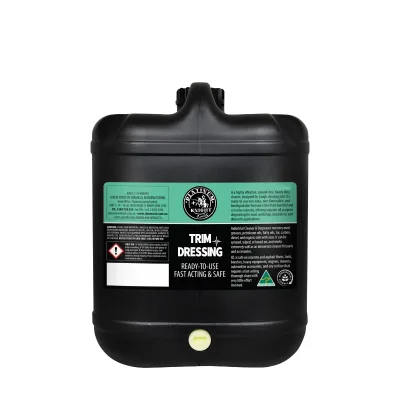


$1.76 - $2.13
Moq: 250


Comprehensive Sourcing Guide
Yellow Trimedlure Sourcing Guide
Procuring yellow trimedlure requires a disciplined approach to identifying suppliers who can consistently deliver high-purity intermediates for specialized chemical synthesis. Buyers must first establish clear technical requirements, as the term often refers to specific isomeric compositions of trimellitic anhydride derivatives used in resin manufacturing. The visual characteristic of a yellow hue can indicate purity levels or the presence of specific impurities, making visual inspection a preliminary but insufficient verification step. Sourcing teams should prioritize suppliers who provide batch-specific analytical data rather than relying solely on generic product descriptions.
The global supply chain for this material is heavily concentrated in regions with robust petrochemical infrastructure, particularly in China, where many manufacturers hold ISO9001 certification. Buyers should verify that the supplier’s production facilities adhere to strict quality management systems to ensure consistency across batches. It is crucial to distinguish between standard industrial grades and specialized formulations, as the latter may require custom packaging or specific handling protocols. Establishing a direct line of communication with technical support teams can help clarify whether the offered product meets the precise stoichiometric needs of your downstream applications.
Product Scope and Observed Listing Signals
Market listings for yellow trimedlure often present a wide range of specifications that can confuse procurement specialists. Observed data indicates a significant variance in pricing, ranging from nominal values to thousands of dollars per unit, which reflects differences in purity, packaging, and order volume. Minimum order quantities (MOQs) also fluctuate dramatically, from single kilograms for sampling to hundreds of thousands of kilograms for industrial contracts. Buyers must carefully scrutinize these listings to determine if the quoted price includes logistics, taxes, or only the raw material cost, as hidden fees can significantly impact the total landed cost.
Visual attributes listed in product catalogs, such as color and appearance, serve as initial screening tools but require laboratory validation. While some listings describe the product as a powder or liquid, trimedlure is typically a solid crystalline substance, so discrepancies in appearance descriptions may signal mislabeled products or alternative chemical intermediates. The presence of certifications like ISO9001 is a positive indicator, but buyers should verify the scope of these certifications to ensure they cover the specific manufacturing processes relevant to trimedlure production. Always request physical samples to confirm that the observed color and texture match the technical data sheet before committing to large-scale orders.
Technical Specifications to Verify
Technical verification is the most critical phase in sourcing yellow trimedlure, as minor deviations in chemical composition can affect downstream product performance. Buyers must request detailed certificates of analysis (COA) that specify the purity percentage, typically aiming for 99% or higher for high-grade applications. The isomeric ratio of trimellitic acid derivatives is a key parameter, as different isomers exhibit varying reactivity and thermal stability. Suppliers should provide gas chromatography (GC) or high-performance liquid chromatography (HPLC) data to confirm the exact composition, ensuring that the product meets the stringent requirements of your formulation process.
Packaging and storage specifications are equally important to maintain product integrity during transit and storage. Common packaging formats include 25kg bags, cartons, or drums, often made from materials that provide moisture-proof and corrosion-resistant protection. The choice of packaging can influence the shelf life and handling safety of the material, so buyers should assess whether the supplier’s packaging standards align with their internal logistics capabilities. Additionally, verify the recommended storage conditions, such as temperature and humidity limits, to prevent degradation or clumping of the powder form. Proper labeling and hazard communication on the packaging are also essential for safe handling in your facility.
Compliance and Safety Documentation
Regulatory compliance is non-negotiable when sourcing chemical intermediates like yellow trimedlure, as non-compliant materials can lead to significant legal and operational risks. Buyers must ensure that suppliers provide comprehensive safety data sheets (SDS) that comply with international standards such as GHS (Globally Harmonized System). These documents detail the hazard classification, first-aid measures, and proper disposal methods, which are essential for developing safe handling protocols within your organization. Verify that the SDS is up-to-date and matches the specific batch being supplied, as formulations and regulations can change over time.
Environmental and occupational health certifications are also critical indicators of a supplier’s commitment to responsible manufacturing. Look for suppliers who hold ISO9001 certification, which demonstrates a commitment to quality management, and check for additional environmental certifications if your company has sustainability goals. In some regions, compliance with REACH (Registration, Evaluation, Authorization and Restriction of Chemicals) or similar regulations may be required for import and use. Buyers should also inquire about the supplier’s waste management practices and whether they adhere to local environmental protection laws, as this can impact the long-term reliability of the supply relationship.
Cost Drivers and Commercial Terms
Understanding the cost drivers behind yellow trimedlure pricing helps buyers negotiate better commercial terms and forecast budget requirements accurately. The primary cost factors include the price of raw materials, energy costs for production, and the complexity of the purification process. Suppliers with vertically integrated operations may offer more competitive pricing due to lower input costs, while those relying on third-party raw materials may face higher volatility. Buyers should also consider the impact of order volume on pricing, as larger MOQs often result in significant discounts, but may require higher capital investment and storage capacity.
Commercial terms such as delivery time, payment conditions, and warranty policies play a crucial role in the overall procurement strategy. Typical delivery times for chemical intermediates can range from a few days to several weeks, depending on stock availability and logistics arrangements. Buyers should negotiate clear terms regarding late delivery penalties and force majeure clauses to mitigate supply chain disruptions. Additionally, clarify the warranty policy for product quality, ensuring that there is a mechanism for returns or credits if the delivered material fails to meet the agreed-upon specifications. Transparent communication about these terms can prevent disputes and ensure a smooth transaction process.
Supplier Qualification and Quality Control
Supplier qualification involves a rigorous assessment of the manufacturer’s capabilities, financial stability, and quality control systems. Buyers should conduct on-site audits or request third-party audit reports to verify the supplier’s production facilities and quality management processes. Key areas to evaluate include the calibration of analytical instruments, the training of laboratory personnel, and the implementation of standard operating procedures (SOPs) for batch testing. A robust quality control system ensures that every batch of yellow trimedlure meets the specified purity and performance criteria, reducing the risk of production failures in your facility.
Establishing a strong relationship with the supplier’s technical team is also essential for ongoing quality assurance. Regular communication can help address any emerging issues quickly and facilitate continuous improvement in product quality. Buyers should request periodic re-qualification of the supplier, especially if there are changes in the manufacturing process or raw material sources. Additionally, consider implementing a supplier scorecard system to track performance metrics such as on-time delivery, product quality, and responsiveness. This data-driven approach can help identify high-performing suppliers and drive accountability across the supply chain.
Long-Term Procurement Checks
Long-term procurement success depends on proactive risk management and continuous monitoring of the supply market. Buyers should regularly review market trends and price fluctuations to anticipate potential cost increases or supply shortages. Diversifying the supplier base can mitigate the risk of disruption from a single source, so consider qualifying alternative suppliers in different geographic regions. Stay informed about regulatory changes that may impact the production or use of yellow trimedlure, and adjust your sourcing strategy accordingly to remain compliant.
Continuous improvement in the procurement process is also vital for maintaining a competitive edge. Regularly solicit feedback from internal stakeholders, such as production and quality teams, to identify areas for improvement in the sourcing process. Implementing digital tools for supplier management and contract tracking can enhance efficiency and visibility. Finally, foster a collaborative relationship with key suppliers, focusing on mutual growth and innovation. By investing in long-term partnerships, buyers can secure a reliable supply of high-quality yellow trimedlure and support their organization’s strategic objectives.
FAQs
What is yellow trimedlure used for?
Yellow trimedlure is a chemical attractant product typically supplied as a yellow powder or liquid material for industrial and agricultural applications. On product listings it appears alongside direct dyes and related chemicals used in textile, paper, and leather processing. Buyers should confirm the exact application and purity level with each supplier before ordering, since listings can cover multiple formulations under one keyword.
How is yellow trimedlure packaged for shipment?
Suppliers commonly list packaging in 25kg bags, cartons, or drums depending on the grade and order size. Powder and liquid forms may be packed differently, so the packing format should be confirmed in writing before payment. For bulk orders, drum packaging helps protect against moisture during transit, while smaller trial quantities are often shipped in cartons with standard export labeling.
Can I get a free sample of yellow trimedlure before ordering?
Yes, many listings for this product category offer free samples so buyers can verify appearance, color, and purity before committing to a bulk purchase. Samples are usually sent with the buyer covering freight costs. It is practical to request a sample alongside the product specification sheet and any available test documentation, then confirm quality terms in the purchase contract.
What purity standard does yellow trimedlure meet?
Listings in this category commonly reference a 99% purity standard, which buyers should verify through a certificate of analysis with each shipment. Purity directly affects performance in the intended application, so agree on testing methods and acceptable tolerance levels before ordering. Some suppliers hold ISO9001 certification, which signals a documented quality management system, though certification scope should be confirmed directly.
How fast can yellow trimedlure orders be delivered?
Typical delivery time listed for products in this range is 3 to 5 days after order confirmation, though this depends on stock levels and order volume. Customized formulations or large quantities may require additional production lead time. Buyers should confirm the delivery schedule, shipping method, and Incoterms with the supplier, and factor in international transit time beyond production completion.
Can yellow trimedlure be customized to specific requirements?
Yes, customization is listed as available for products in this category. Buyers can typically discuss specifications such as purity grade, appearance form, and packaging configuration directly with suppliers. Custom orders usually require minimum quantities and longer lead times than standard stock items, so request a written quotation covering customization fees, sample approval steps, and delivery schedule before confirming the production order.
Which certifications should I check when sourcing yellow trimedlure?
ISO9001 is the certification most commonly referenced for chemical products in this category, indicating a documented quality management system at the manufacturing site. Buyers should also request certificates of analysis for each batch, and verify any additional compliance documents relevant to the destination market. Certification scope varies by supplier, so confirm that the certificate covers the specific product grade being purchased.
How do I compare yellow trimedlure suppliers effectively?
Compare suppliers on purity documentation, certification status, packaging options, delivery time, and minimum order quantity. Request samples from shortlisted vendors and review the certificate of analysis against your required specification. Suppliers offering free samples, customization, and clear 25kg packaging terms make evaluation easier. Also confirm origin, export experience, and whether quoted prices include freight and applicable fees.